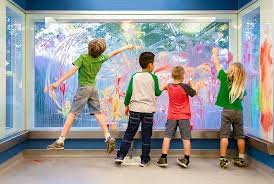
Exploring the Endless World of Creative Expression
The world of creative expression is vast, diverse, and ever-evolving. Across cultures, generations, and mediums, people have been creating, performing, and sharing their unique visions of the world through various forms of art and entertainment. These forms not only enrich our lives but also allow us to reflect on society, culture, and human experiences. From the captivating world of visual art to the thrilling atmosphere of live performances, creativity knows no boundaries. This article delves into the multifaceted realm of arts and entertainment, exploring its power to inspire, entertain, and connect.
The Diversity of Visual Art
One of the most powerful forms of creative expression is visual art. Whether through painting, sculpture, photography, or digital mediums, artists capture emotions, ideas, and stories that transcend words. Visual art allows individuals to express their inner thoughts, document history, or challenge societal norms, and it often provides a space for reflection and interpretation.
Throughout history, art movements such as the Renaissance, Impressionism, and Modernism have radically transformed the way we see the world. Today, contemporary artists continue to push boundaries, experimenting with new techniques, materials, and technologies to communicate their visions. Art galleries and museums play a vital role in preserving and showcasing the works of established and emerging artists, ensuring that creative expression remains accessible to all.
Additionally, art has become increasingly interactive, thanks to the rise of digital media. Virtual reality, augmented reality, and digital installations are now integrated into exhibitions, offering immersive experiences that engage viewers in unprecedented ways.
Performing Arts: From Theater to Dance
The performing arts have long been a source of entertainment and emotional connection. Theater, ballet, opera, and dance have all evolved as means of telling stories, conveying emotions, and celebrating human expression. Whether in large, grand theaters or intimate local venues, performances provide audiences with a shared experience that taps into collective human emotions and imagination.
Theater, with its roots in ancient Greece, continues to be one of the most profound ways to explore the human condition. Playwrights, directors, and actors create powerful narratives that not only entertain but also provoke thought and spark dialogue. From Shakespearean classics to modern-day dramas, theater offers an ongoing dialogue with society and culture.
Dance, too, serves as an important form of creative expression. Ballet, contemporary dance, hip-hop, and traditional dance styles allow performers to communicate stories and emotions through movement, often without uttering a single word. The fluidity, grace, and physicality of dance have made it an iconic and timeless art form, celebrated across the world.
Music: The Universal Language
Music is a universal language that has the power to evoke emotions, tell stories, and create bonds among people from all walks of life. It is a core component of entertainment, with genres ranging from classical to pop, jazz to rock, and everything in between. Music transcends cultural and language barriers, making it one of the most accessible and impactful forms of art.
In addition to providing entertainment, music has been used as a tool for social and political change. Protest songs, anthems, and messages of hope and unity have been powerful instruments in shaping public opinion and inspiring action. Music festivals, concerts, and online platforms allow artists to share their work with global audiences, ensuring that the reach of music continues to grow in the digital age.
Film and Television: A Window to New Worlds
Film and television have become some of the most influential forms of entertainment in modern society. Through moving images and compelling stories, they offer audiences a window into new worlds, whether through fictional tales or documentaries that shed light on real-life experiences. Filmmakers and TV producers combine acting, storytelling, cinematography, and sound to create immersive narratives that captivate millions.
The film industry has long been a cultural force, with directors, actors, and screenwriters creating masterpieces that remain timeless. From Hollywood blockbusters to indie films, cinema has the ability to entertain, educate, and provoke thought. Television, with its evolving technology, has shifted from simple broadcasts to complex series that tackle important social issues, explore human emotions, and experiment with new formats and styles.
The Role of Digital Platforms in Expanding Access
In recent years, the rise of digital platforms has significantly changed the landscape of arts and entertainment. Streaming services, social media, and online platforms have democratized access to creative works, allowing artists and entertainers to connect directly with their audiences. Whether it’s watching a new film on a streaming platform or discovering an emerging artist on Instagram, the internet has created new avenues for both creators and consumers of art.
The digital age has also opened the door for more interactive and participatory forms of entertainment. Virtual concerts, interactive theater, online art exhibitions, and video game experiences have all made art and entertainment more immersive and accessible. Through these platforms, people can engage with their favorite artists, share their own creations, and explore new forms of entertainment from the comfort of their own homes.