The Evolution of the Automobile: Revolutionizing Transportation and Society
The automobile is one of the most transformative inventions in modern history, shaping how we live, work, and interact. What began as a novel form of transportation has evolved into a vital component of daily life, influencing economies, industries, and cultures across the globe. The development of the automobile has not only revolutionized transportation but has also paved the way for technological advancements, environmental challenges, and a new way of thinking about mobility.
A Brief History of the Automobile
The history of the automobile dates back to the late 19th century when inventors began experimenting with steam, electricity, and internal combustion engines. Karl Benz is widely credited with creating the first practical automobile in 1885-1886, the Benz Patent-Motorwagen. This three-wheeled vehicle was powered by an internal combustion engine and marked the beginning of the modern automobile era.
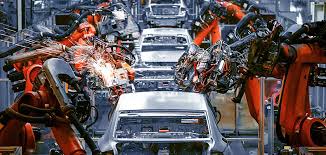
However, it was Henry Ford who made the automobile accessible to the masses. In 1908, Ford introduced the Model T, an affordable, mass-produced car that could be purchased by middle-class families. Ford’s innovative assembly line production methods drastically reduced the cost of manufacturing, allowing cars to be produced at an unprecedented rate. The Model T revolutionized not only the automobile industry but also the way people lived, fostering a sense of independence and freedom previously unattainable.
Technological Innovations in Automotive Design
The evolution of the automobile has been driven by continuous innovation. Over the decades, engineers and designers have pushed the boundaries of what vehicles can do, from improving safety features to enhancing performance and fuel efficiency. In the 1920s and 1930s, cars began to feature innovations such as hydraulic brakes and more powerful engines. The mid-20th century saw the introduction of technologies like automatic transmission and power steering, making driving more convenient and accessible.

In recent decades, the focus has shifted toward environmental sustainability, with manufacturers investing heavily in electric vehicles (EVs) and hybrid models. The development of EVs, such as those produced by Tesla, has revolutionized the automotive industry, offering a more eco-friendly alternative to traditional gasoline-powered cars. Advances in battery technology, energy efficiency, and charging infrastructure have helped pave the way for a future where electric vehicles could become the norm.
The Role of the Automobile in Society
The automobile has had a profound impact on society. It has changed the way people live, work, and connect with one another. The ability to travel long distances quickly and comfortably has expanded personal freedom and facilitated economic growth. With automobiles, people can commute to work, visit family, and explore new places with ease. The automobile industry has also played a key role in the development of suburban areas, as people moved away from city centers and relied on their cars to commute to work.
Moreover, the automotive industry has become a significant driver of global economies. It employs millions of people worldwide, from factory workers to engineers, designers, and sales professionals. The industry has also spurred the growth of related sectors, including oil and gas, insurance, and tourism. Cars have become an essential part of modern life, representing both status and utility in many cultures.
Environmental Challenges and the Future of Automobiles
While the automobile has brought numerous benefits, it has also raised significant environmental concerns. The reliance on fossil fuels has contributed to air pollution, climate change, and the depletion of natural resources. As the global population grows and the demand for vehicles increases, finding sustainable solutions to transportation becomes more critical.
In response, automakers are focusing on developing green technologies, such as electric vehicles (EVs), hybrid cars, and alternative fuel sources like hydrogen. These innovations aim to reduce carbon emissions, improve fuel efficiency, and minimize the environmental footprint of automobiles. Governments around the world are also implementing stricter emissions standards and offering incentives for consumers to purchase eco-friendly vehicles.
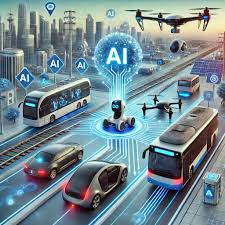
The rise of autonomous vehicles, or self-driving cars, is another exciting development in the automotive industry. With advancements in artificial intelligence, sensors, and machine learning, self-driving cars could revolutionize transportation by reducing traffic accidents, improving efficiency, and transforming how people travel. While fully autonomous vehicles are still in the experimental phase, the technology is advancing rapidly, and it’s likely that we will see widespread adoption in the coming decades.